Top 5 Myths About Судски Преведувач Англиски Debunked


Understanding the Role of Судски Преведувач Англиски
The profession of a court translator, especially for English, is often surrounded by misconceptions. These myths can lead to misunderstandings about the importance and complexity of the job. In this article, we aim to debunk the top five myths surrounding the role of a Судски Преведувач Англиски, or court translator for English.
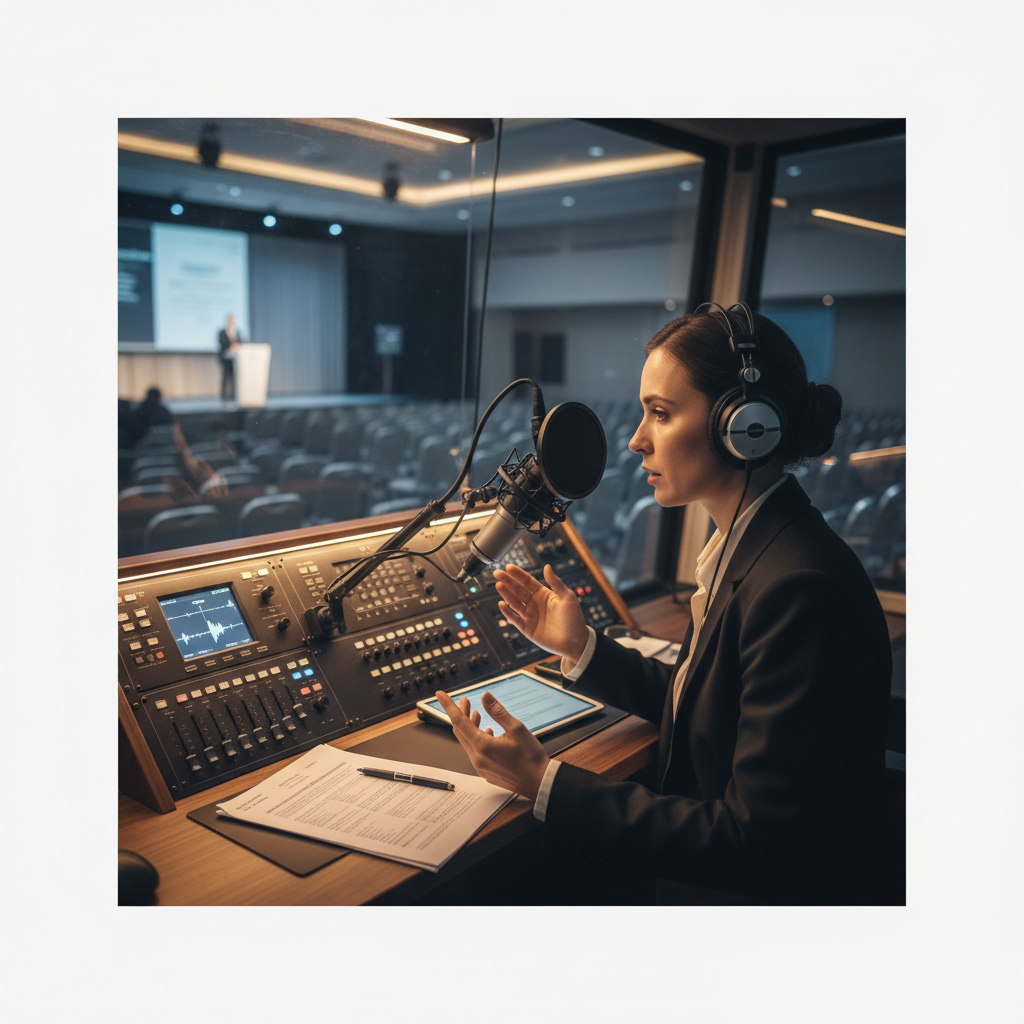
Myth 1: Anyone Who Speaks English Can Be a Court Translator
One of the most common myths is that anyone who speaks English can serve as a court translator. This is far from the truth. Court translation requires specialized skills that go beyond language proficiency. Translators must be familiar with legal terminology, court procedures, and possess the ability to convey precise meanings without altering the original context.
Myth 2: Court Translators Only Translate Verbatim
Another misconception is that court translators simply translate words verbatim. In reality, their job is much more complex. They must ensure that the translation is contextually accurate, maintaining legal nuances and cultural subtleties. This requires a deep understanding of both languages involved and the legal systems they operate within.
Myth 3: Translation Is Instantaneous
Many people believe that translation is an instantaneous process. However, court translation demands careful consideration and often involves extensive preparation and research. Translators must review case materials, understand the context, and prepare for any linguistic challenges that may arise during proceedings.
The Complexity of Court Translation
The intricacies of court translation highlight the importance of the role. It's not just about language but also about ensuring justice through accurate and fair communication. This complexity is what makes the job both challenging and rewarding.

Myth 4: Technology Can Replace Human Translators
With the advancement of translation technology, a common belief is that machines can easily replace human translators. While technology can assist, it cannot replace the human judgment needed in court settings. Nuances, emotions, and the subtleties of human interaction are areas where human translators excel over machines.
Myth 5: Court Translators Are Interchangeable
Finally, there's a notion that all court translators are interchangeable. Each translator brings unique skills and expertise, especially when dealing with specific legal areas or dialects. Selecting the right translator for a particular case is crucial for ensuring accurate and meaningful communication.
In conclusion, understanding and appreciating the role of a Судски Преведувач Англиски is essential for ensuring fair legal proceedings. They are not merely language experts; they are vital contributors to the justice system, bridging communication gaps with precision and expertise.