Top 5 Questions to Ask Your Sudski Preveduvac Before Hiring


Understanding the Role of a Sudski Preveduvac
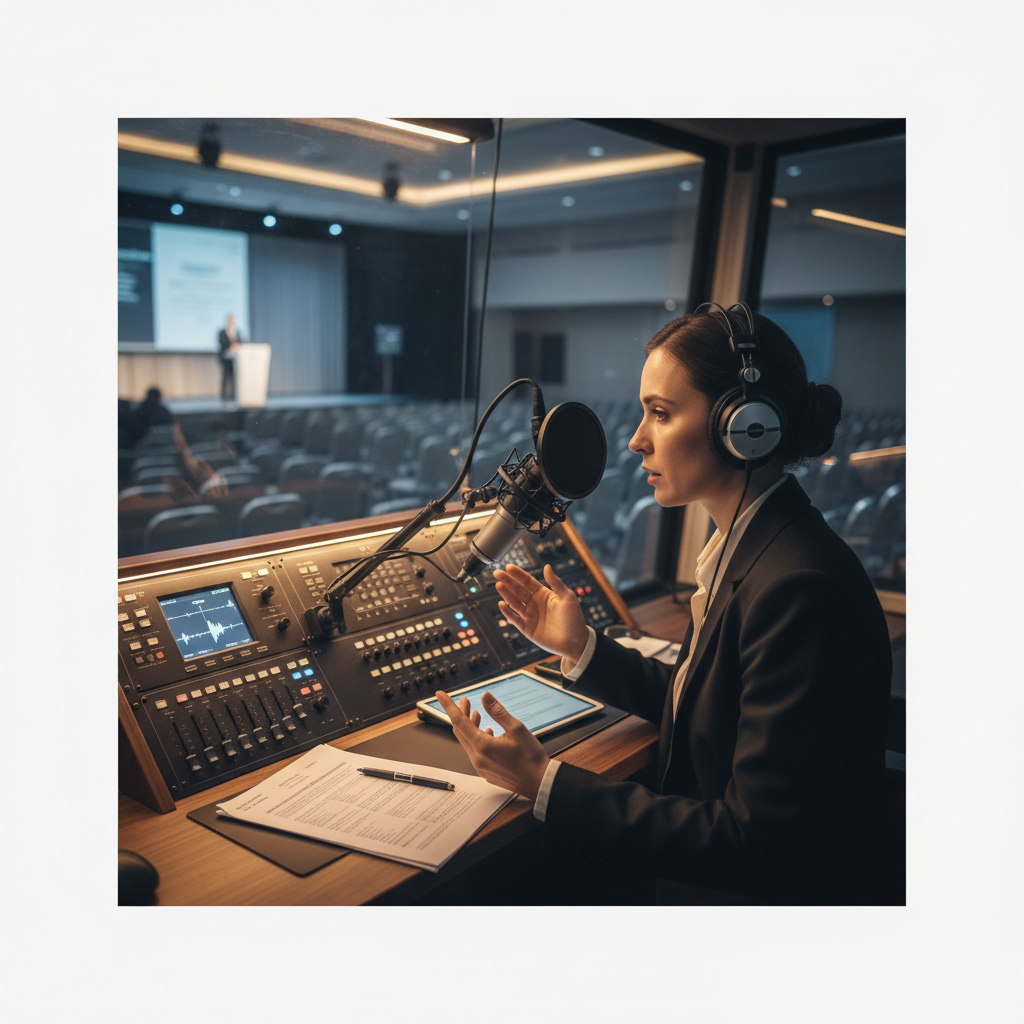
Hiring a Sudski Preveduvac, or court interpreter, is a crucial step for ensuring accurate and reliable translations in legal settings. Whether you’re dealing with legal documents or court proceedings, the right interpreter can make all the difference.
What Languages Do You Specialize In?
Before hiring, it's essential to confirm the languages your Sudski Preveduvac is proficient in. Some interpreters may specialize in particular languages or dialects, which can be critical depending on your needs. Ensure their expertise aligns with your requirements to avoid any miscommunications.
What Is Your Experience in Legal Settings?
The legal field can be complex and nuanced, so it's vital to know your interpreter's experience in this area. Ask about their past work in legal environments, such as courtrooms or law firms. This experience is crucial for understanding legal terminology and procedures.

Evaluating Qualifications and Certifications
Certifications can be a reliable indicator of an interpreter's skills and professionalism. Different regions may have specific certifications or accreditations for court interpreters. Verify their qualifications to ensure they meet the legal standards required for your case.
How Do You Handle Confidentiality?
Legal matters are often sensitive and require confidentiality. Inquire about the interpreter's approach to maintaining privacy and security. It's important to ensure they adhere to confidentiality agreements, safeguarding your information throughout the process.

What Are Your Rates and Availability?
Understanding the financial and logistical aspects is essential. Discuss the interpreter's rates and any additional costs that may arise. Also, confirm their availability to ensure they can meet your schedule, especially if you have tight deadlines or require ongoing services.
Final Considerations
Making the right choice in hiring a Sudski Preveduvac requires thorough research and asking the right questions. By understanding their language capabilities, legal experience, and approach to confidentiality, you can make an informed decision that best serves your legal needs.
Remember, the right interpreter not only translates words but also bridges cultural and legal gaps, providing clarity and understanding in complex legal proceedings.